Physical Address
304 North Cardinal St.
Dorchester Center, MA 02124
Physical Address
304 North Cardinal St.
Dorchester Center, MA 02124
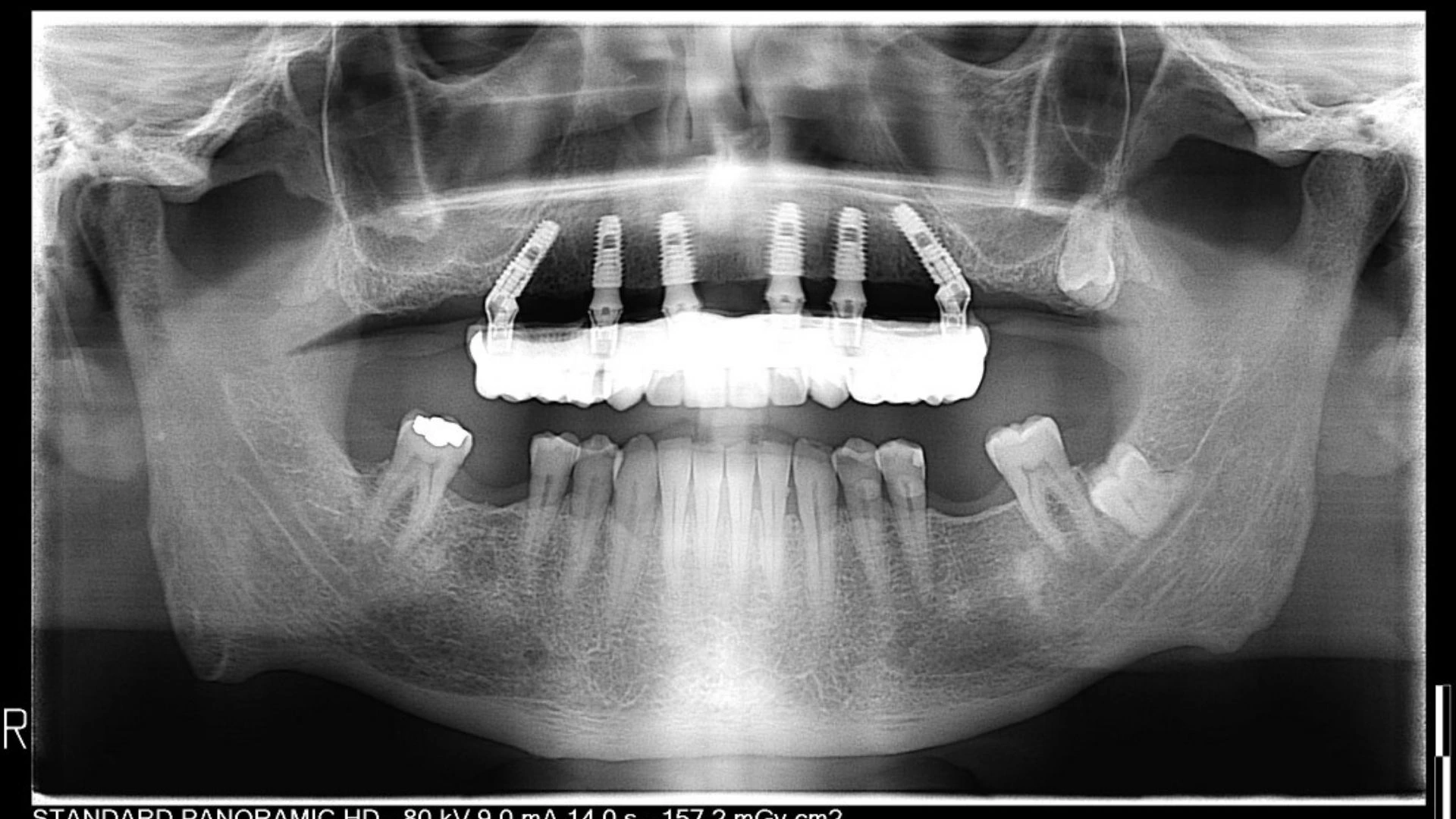
For decades, traditional dentures were the default solution for people who had lost most or all of their teeth. While dentures restored appearance and offered a form of chewing function, their limitations were well known to both patients and clinicians. In recent years, however, full-arch dental implants have rapidly become the gold standard for restoring a complete smile, offering dramatically improved stability, chewing efficiency, and long-term oral health outcomes backed by clinical research.
Today, more patients are asking whether full-arch implants are worth the investment and how they compare to conventional dentures. The evidence overwhelmingly shows that implant-supported restorations offer superior comfort, bone preservation, function, and quality of life. As clinicians, we now have treatment options that align far more closely with natural biology and biomechanics than removable prosthetics ever could.
Traditional dentures have been used in dentistry for more than a century, but despite advances in materials and design, their fundamental limitations remain unchanged. Because dentures rest on the gums rather than being anchored to bone, several mechanical and biological challenges arise.
Once teeth are removed, the jawbone begins to resorb. Without stimulation from tooth roots or implants acting as root analogs, the bone diminishes year after year. Denture wearers often experience:
This ongoing bone loss is one of the primary reasons patients require relines and replacements every few years.
Scientific studies consistently show that traditional dentures restore only 15–30% of natural chewing ability. That means patients are often forced to avoid harder or chewier foods. Diets become softer and more carbohydrate-heavy, which can influence nutrition and overall health.
Even well-made dentures can shift, rub, or cause sore spots, particularly in the lower arch, where the tongue and limited bone surface make retention difficult. Many patients rely on adhesives just to get through daily meals.
While dentures cost less upfront, their recurring need for relines, repairs, and replacements adds up. Over a lifetime, the total cost is often far greater than patients expect.
Full-arch implant solutions such as All-on-4®, All-on-6, and other variations anchor a full set of prosthetic teeth to implants surgically placed into the jawbone. This creates a stable, permanent foundation that functions far more like natural teeth.
Unlike dentures, implant-supported prostheses do not rely on suction or soft tissue support. The implants integrate into the bone (osseointegration), allowing forces from chewing to be distributed evenly across the jaw. This not only improves function but enhances comfort, allowing patients to speak and eat without worry.
One of the most clinically significant advantages is that implants help stop bone loss. When implants are loaded and stimulated through chewing function, the jawbone receives the mechanical signals it needs to remain healthy. This protects facial structure and prevents the progressive collapse associated with denture wear.
With full-arch implants, the prosthesis is custom designed to support natural lip position, facial proportions, and smile line. Patients often report feeling that their restored teeth look and feel like their own.
Studies show that full-arch implant restorations restore up to 90% of natural chewing function, a dramatic improvement over traditional dentures. This means patients can enjoy a wider range of foods, including fruits, vegetables, and proteins that were previously off limits.
Modern implant systems have success rates exceeding 95–98% in healthy patients. Full-arch protocols, when properly planned, offer exceptional stability—even in cases of moderate bone loss.
Patient-reported outcomes consistently favor implants. Individuals commonly describe improvements in:
In contrast, many denture wearers report chronic frustration with movement, adhesives, and functional limitations.
Although full-arch implants involve a higher initial cost, they often prove more economical across a patient’s lifetime. Denture wearers may spend repeatedly on adjustments, relines, and replacements, especially as bone loss progresses. Implants, by preserving bone and providing a stable foundation, greatly reduce the need for ongoing prosthetic changes.
Many patients are surprised to learn that they may qualify for full-arch implants even if they have been told they lack sufficient bone for traditional implants.
Ideal candidates generally:
Age is rarely a limiting factor. In fact, older adults often benefit most because they experience the greatest decline in function with traditional dentures.
Treatment planning for full-arch implants is highly personalized, but most patients follow a similar pathway.
This includes 3D imaging to assess bone levels, occlusion, and nerve positioning. The planning stage is crucial for long-term success.
Many patients are candidates for same-day teeth, where a temporary prosthesis is attached immediately after surgery. This allows the patient to leave the office with a functional smile on the same day.
Over the next few months, the implants integrate with the bone. Patients continue wearing their provisional prosthesis during this time, followed by placement of their final restoration.
Unlike dentures, implant-supported restorations do not need adhesives and do not loosen over time. Patients simply maintain good oral hygiene and attend regular checkups.
As clinical research continues to evolve, the benefits of full-arch dental implants in comparison to traditional dentures become even clearer. Full-arch implants provide superior function, stability, bone preservation, and long-term patient satisfaction. For individuals seeking a reliable, life-changing solution to extensive tooth loss, full-arch implants have become the gold standard in modern restorative dentistry.
Patients interested in learning more about full-arch implant options or scheduling a consultation can explore treatment resources at restorein24.com.