Physical Address
304 North Cardinal St.
Dorchester Center, MA 02124
Physical Address
304 North Cardinal St.
Dorchester Center, MA 02124
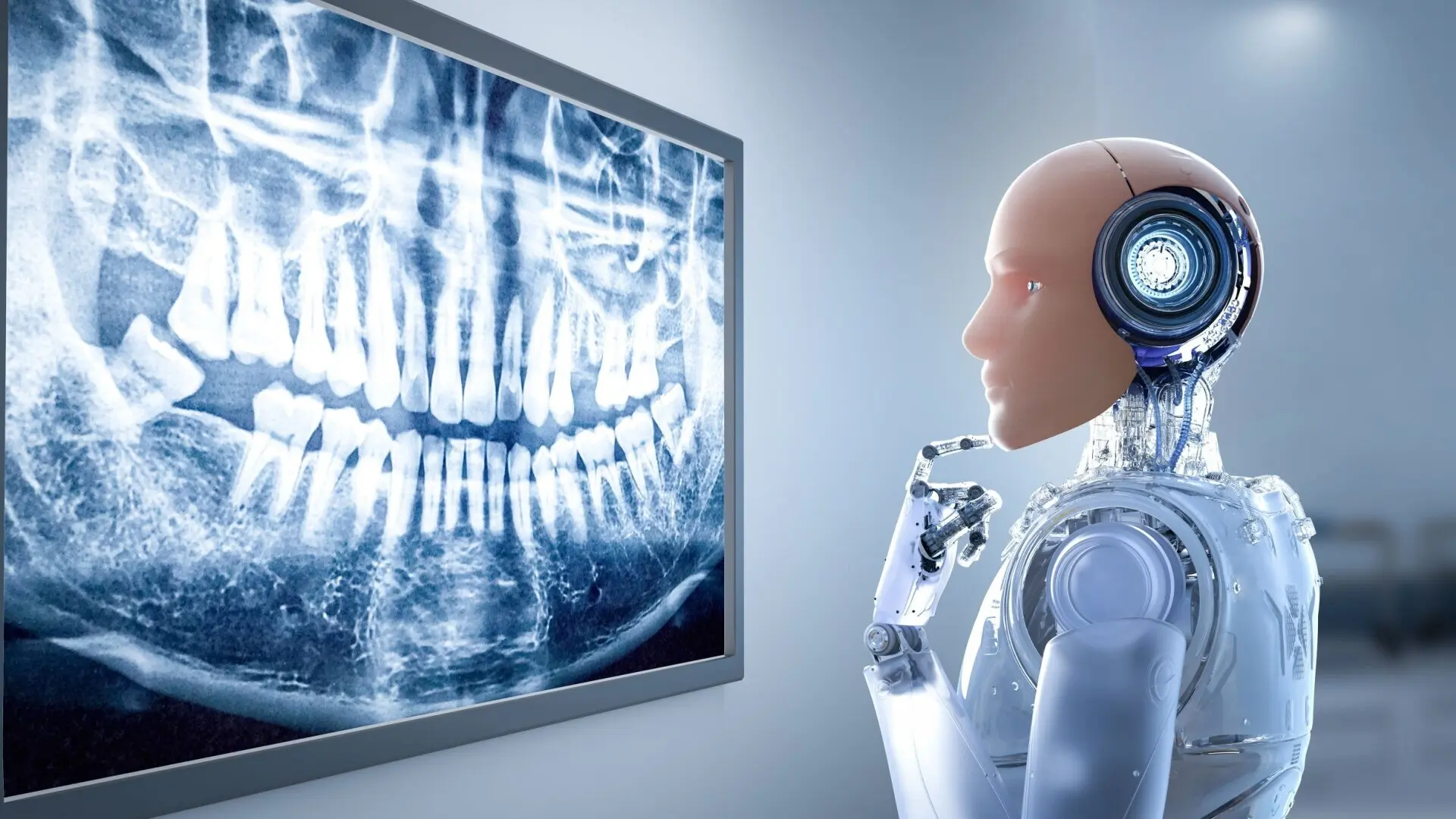
Artificial intelligence (AI) is rapidly transforming healthcare — and dentistry is no exception. What was once limited to science fiction is now integrated into modern dental practices through advanced imaging software, predictive analytics, and digital treatment planning tools.
As a practicing dentist, I view AI not as a replacement for clinical expertise, but as a powerful adjunct — one that enhances diagnostic precision, supports earlier detection of disease, and improves patient communication. When implemented responsibly, AI strengthens the foundation of evidence-based dentistry.
In dentistry, artificial intelligence typically refers to machine learning systems trained to recognize patterns in radiographs, intraoral scans, and clinical datasets. These systems analyze thousands — sometimes millions — of images to identify findings such as:
Rather than making independent decisions, AI systems provide decision-support tools that help dentists interpret diagnostic information with greater consistency.
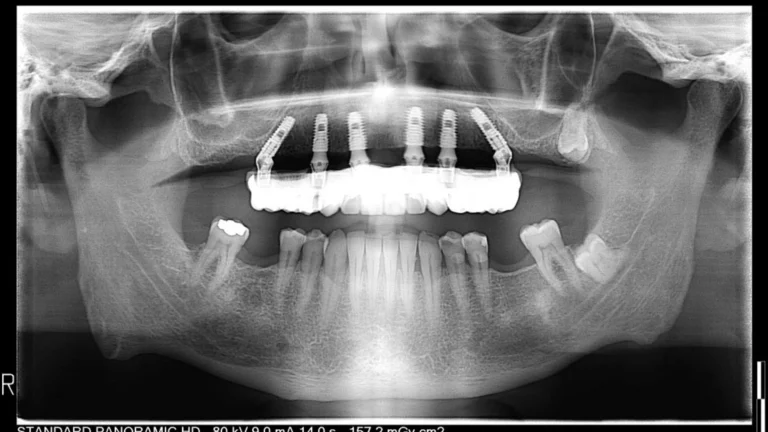
AI-assisted radiographic analysis can detect subtle radiolucencies that may be difficult to identify in their earliest stages. Research suggests that machine learning models can increase sensitivity for early caries detection, particularly in interproximal areas.
Early detection allows for more conservative treatment options — including remineralization strategies — rather than restorative intervention.
Bone level measurement is critical in diagnosing and staging periodontal disease. AI software can quantify bone loss on radiographs and provide standardized measurements. This reduces variability and improves documentation over time.
In comprehensive preventive practices — such as those that emphasize full-mouth periodontal evaluation like at 1st Choice Dental Centers of Georgia — integrating digital analysis tools can strengthen long-term monitoring and early intervention strategies.
One of the most practical advantages of AI is visual communication. Many platforms overlay color-coded markers on radiographs, helping patients see areas of concern clearly.
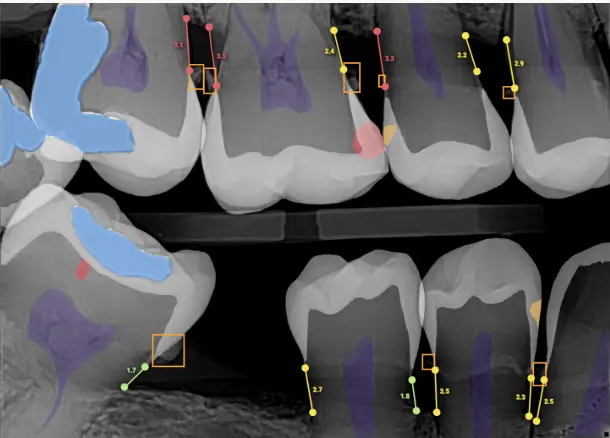
When patients understand what we see clinically, they are more likely to participate in preventive care decisions. AI does not replace the clinical exam — it supports clearer conversations.
Transparency builds trust.
Artificial intelligence is also influencing implant dentistry. When integrated with cone beam computed tomography (CBCT) imaging and digital scanning, AI-assisted systems help:
Digitally guided workflows — including protocols similar to those described at Restore In 24 Dental Implant Center — demonstrate how data-driven planning can streamline implant placement while maintaining precision and safety.
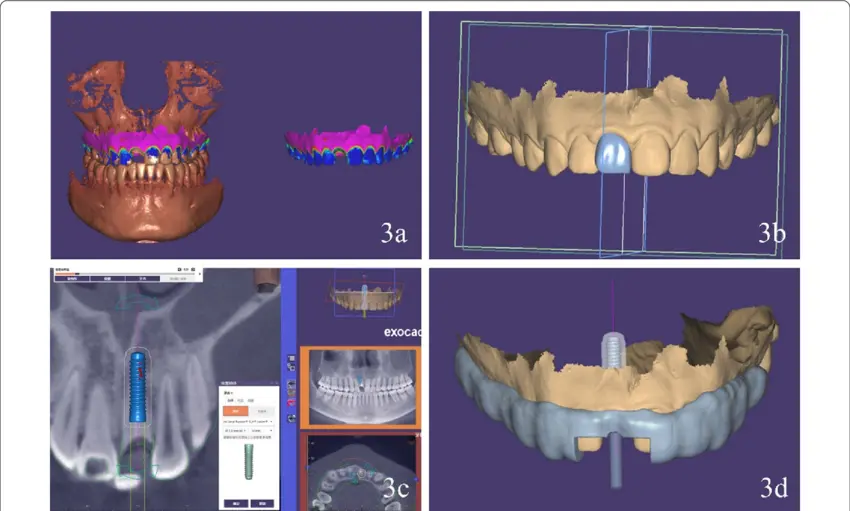
Although surgical skill and biological principles remain central, AI-supported planning enhances predictability.
A common question patients ask is: “Will AI replace dentists?”
The answer is no.
AI lacks the ability to:
Dentistry is both a science and a human service profession. AI supports pattern recognition — it does not replace clinical reasoning.
As with any technology, responsible use is essential.
AI systems are only as strong as the datasets used to train them. Bias or incomplete data can impact performance.
Dentists must avoid deferring entirely to automated findings. Clinical oversight remains mandatory.
AI platforms must comply with HIPAA regulations and protect patient data security.
AI-driven diagnostic tools used in healthcare must meet FDA standards for medical devices.
Incorporating AI responsibly means maintaining professional accountability at every step.
Looking ahead, artificial intelligence may expand into:
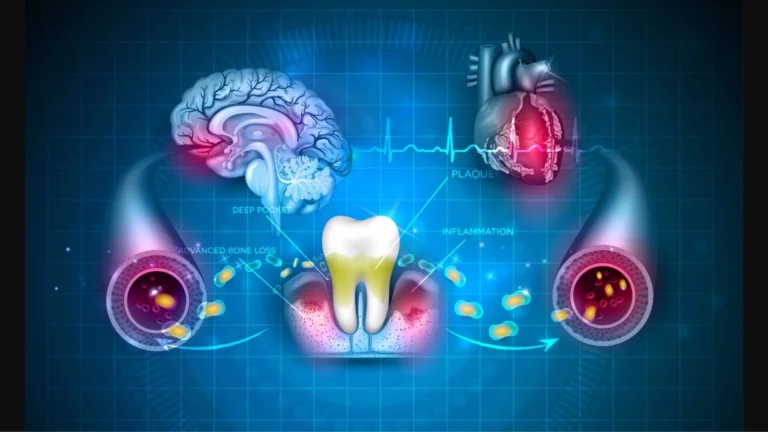
As research continues to explore links between oral health and systemic inflammation, AI may help identify patterns that further connect periodontal disease with cardiovascular disease, diabetes, and other chronic conditions.
The future of dentistry is not automated — it is augmented.
If your dental office uses AI-assisted diagnostic tools, consider asking:
AI should enhance transparency and improve outcomes — not replace professional oversight.
Artificial intelligence represents one of the most significant technological advancements in modern dental care. When integrated thoughtfully, AI enhances early diagnosis, improves documentation, and strengthens patient education.
As dentists, our responsibility is to adopt innovation cautiously, guided by evidence, ethics, and patient-centered care.
Technology evolves. Clinical judgment remains irreplaceable.