Physical Address
304 North Cardinal St.
Dorchester Center, MA 02124
Physical Address
304 North Cardinal St.
Dorchester Center, MA 02124
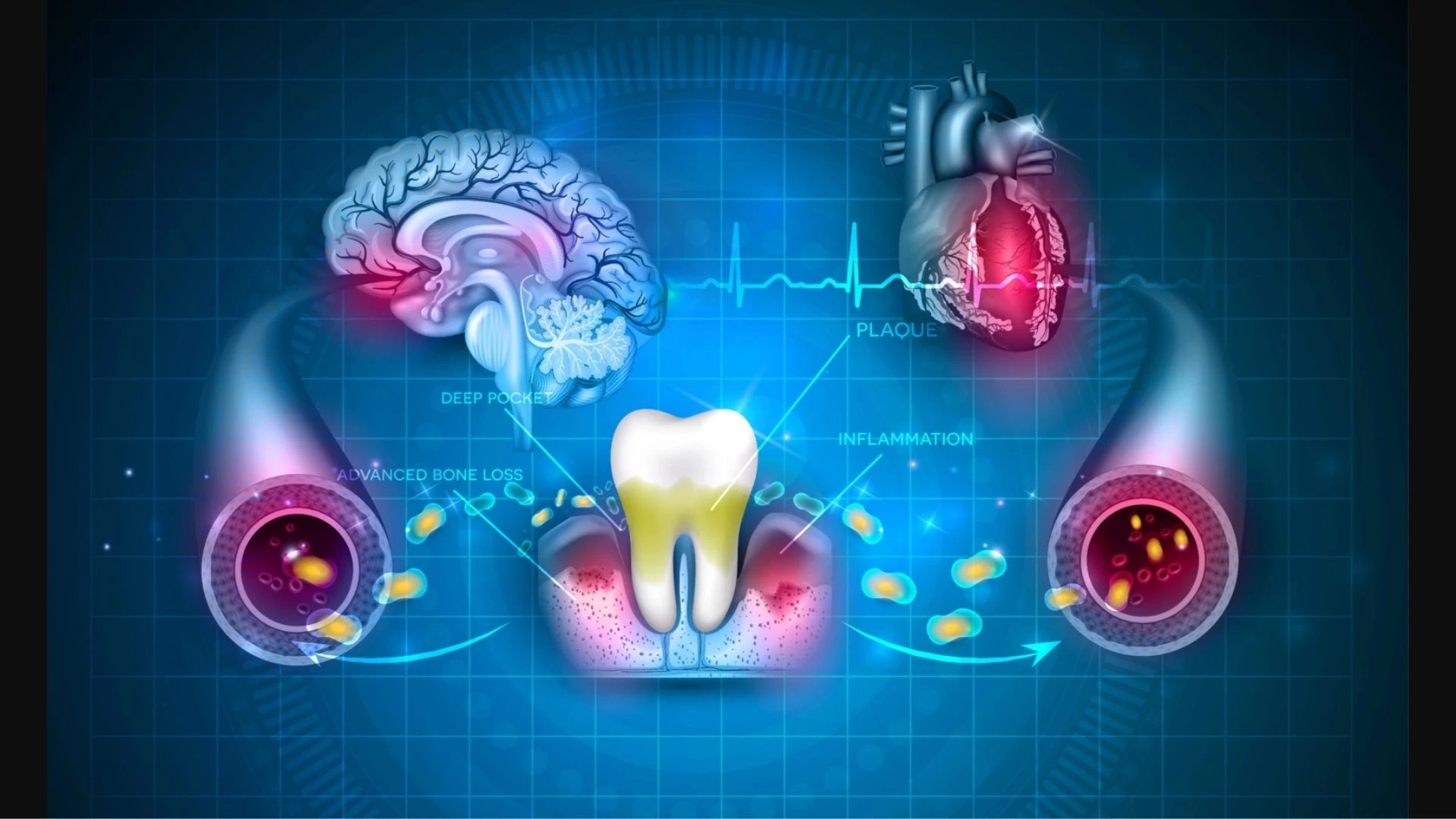
Most people think of gum inflammation as something that happens when they’ve been “slacking a little” with their brushing or flossing. A little bleeding in the sink, a bit of tenderness, it’s easy to shrug off. But as a dental hygienist, I can tell you that your gums often reveal far more than what’s happening in your mouth. They can offer important clues about what’s going on throughout your entire body.
Today, we understand the mouth as a window into whole-body health. And gum inflammation, one of the most common early signs of oral disease, is a powerful part of that story.
Gum inflammation, or gingival inflammation, happens when plaque bacteria build up along the gumline. Your immune system responds by sending blood and inflammatory cells to the area, which is why gums look red, swollen, or bleed when touched.
There are two main stages:
When I’m examining a patient, early inflammation tells me two things:
That second point is where the mouth–body connection begins.
Gum inflammation isn’t just a surface problem. Inflamed gums provide openings for bacteria and inflammatory proteins to enter the bloodstream, where they can interact with other organs and tissues. Scientists don’t claim that gum disease causes these conditions, but there is strong evidence showing they’re connected.
Researchers have found that people with periodontal inflammation are more likely to experience cardiovascular issues. The theory is that oral bacteria and inflammatory markers may contribute to overall inflammation in the blood vessels.
From a hygienist’s perspective, this means a simple sign like bleeding gums should never be brushed aside, especially for patients with a family history of heart disease. Sometimes the mouth gives us early hints that inflammation elsewhere needs attention.
Diabetes and gum inflammation have a close relationship, and it goes both ways.
In the operatory, I can often see when someone’s diabetes is struggling to stay stable with more bleeding points, more puffiness, and sometimes slower healing. Improving gum health can actually support better blood sugar control, which is a powerful example of how oral care fits into a bigger health plan.
Hormonal shifts during pregnancy increase blood flow to gum tissues, which can make inflammation more noticeable. Many pregnant patients experience what’s called pregnancy gingivitis—extra sensitivity, swelling, and bleeding even with good home care.
While most pregnancy-related gum changes resolve after delivery, inflammation during pregnancy has been linked in research to higher risks of preterm birth. The key message is not to alarm expecting parents, but to encourage consistent preventive visits and gentle, thorough home care.
There is growing interest in how oral bacteria might contribute to respiratory conditions, especially in older adults or those with weaker immune systems. When harmful bacteria build up in the mouth, they can be inhaled into the lungs, potentially contributing to infections.
Keeping the mouth clean isn’t just about fresh breath, it’s about reducing unnecessary strain on the immune system.
One of the most talked-about discoveries in recent years is the potential connection between periodontal inflammation and Alzheimer’s disease. Scientists have been exploring whether certain oral bacteria, especially Porphyromonas gingivalis, a key pathogen in gum disease, may play a role in worsening inflammation in the brain.
Here’s what current research suggests in patient-friendly terms:
As hygienists, we approach this topic gently and realistically. The research is still evolving, but one message is clear: the health of the mouth and the brain may be more connected than we ever realized. Supporting gum health is an important part of protecting long-term well-being.
Many patients assume gum inflammation “comes with the territory,” but that’s not true. Here are the signs worth paying attention to:
If any of these sound familiar, your gums are trying to tell you something.
You don’t need complicated routines or expensive products to improve gum health. These simple steps go a long way:
Use a soft-bristled toothbrush and angle it toward the gumline so the bristles gently sweep between the tooth and the gums. Gentle brushing removes plaque more effectively than scrubbing.
Dental floss, interdental brushes, or water flossers all help remove bacteria from places a toothbrush can’t reach.
These can temporarily reduce bacterial load, especially during periods of active inflammation.
The tongue can harbor a significant amount of bacteria that contribute to morning breath and plaque buildup.
Saliva is your mouth’s natural defense system. If your mouth often feels dry, bring it up during your next dental visit because there are strategies we can recommend.
Stress, poor sleep, smoking, and certain medications can all make inflammation worse. Small improvements can benefit both oral and overall health.
If gum inflammation keeps returning or doesn’t improve after a few days of consistent care, it’s time for a professional evaluation. During a hygiene visit, we check gum pockets, look for signs of bone loss, measure inflammation, and recommend personalized treatment.
For many patients, a deeper cleaning (scaling and root planing) or more frequent visits can prevent inflammation from progressing.
Gum inflammation isn’t just a dental issue—it’s a health issue. When we take care of our gums, we support our immune system, heart health, metabolic health, and quality of life in ways many people never realize.
The good news? You have more control than you think. With consistent daily habits and regular preventive care, gum inflammation can be reduced and often reversed.
If you’re ready to understand your gum health more clearly or want a personalized plan, you can explore comprehensive preventive and periodontal services at
https://my1stchoicedentalcare.com.
Your gums really do tell a bigger story and taking care of them helps support a healthier you.
Heart Health & Gum Disease
Diabetes & Periodontal Disease
Pregnancy & Gum Inflammation
Respiratory Health & Oral Bacteria
Newest Research: Alzheimer’s Disease & Periodontal Pathogens